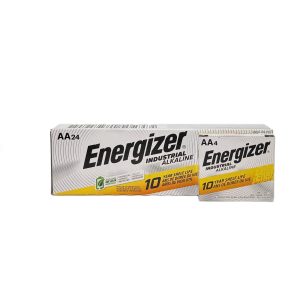

When emergencies strike, the last thing you want is to discover your backup batteries are either dead or leaking. Properly storing the best AA batteries in your emergency kit ensures they’ll be ready to go when you need them most. While it may seem like a small detail, taking a little extra care with battery storage can make a big difference in their performance and lifespan. Let’s break down how to store AA batteries safely so you’re always prepared for life’s unexpected moments.
Why Proper Battery Storage Matters
Picture this: it’s the middle of a storm, the lights have gone out, and you reach for your emergency flashlight. You open your kit only to find the batteries have leaked all over the place, rendering them useless. Sound familiar? This scenario is all too common when batteries aren’t stored properly. Even the best AA batteries from Better Buy Batteries can degrade over time if left in unfavorable conditions.
Good battery storage is about more than keeping them in one spot—it’s about ensuring they maintain their charge and stay safe to use. Proper storage prevents leaks, extends shelf life, and keeps your emergency kit organized. Think of it as an investment in your family’s peace of mind. After all, what’s the point of stocking up on bulk batteries if they’re not usable when you need them?
Cool, Dry, and Organized: The Golden Rules of Battery Storage
When it comes to storing AA batteries, location is everything. Heat and humidity are your batteries’ worst enemies, so always choose a cool, dry place for your stash. Basements and attics may seem like good storage spots, but fluctuating temperatures and moisture can wreak havoc on your batteries. Instead, opt for a drawer or cabinet in a temperature-controlled area of your home.
To keep your batteries organized and prevent accidental discharge, consider using a dedicated battery organizer. These handy containers keep your batteries neatly separated, preventing the terminals from touching and reducing the risk of short-circuiting. Bonus points if the organizer is labeled, so you know which batteries are fresh and which ones to use first.
And remember, storing batteries in their original packaging is one of the easiest ways to keep them safe. The packaging acts as a natural barrier against moisture and prevents the terminals from coming into contact with other metals, which could drain their charge.
Keep Batteries Out of Reach of Little Hands
For families with kids, safety should always come first. Batteries may seem harmless, but they pose a significant choking hazard and can cause serious harm if swallowed. This makes proper storage especially critical in households with curious toddlers or young children.
Store your emergency battery stash in a child-proof location, such as a high cabinet or a drawer with a safety lock. If you’re using a battery organizer, opt for one with a secure lid to keep little hands out. Teaching kids about battery safety is also a good idea—it’s never too early to help them understand why some things are off-limits.
Rotate Your Battery Stock to Avoid Waste
Even the best AA batteries have an expiration date, so it’s important to rotate your stock to avoid waste. When you buy new batteries, add them to the back of your stash and use the older ones first. This simple habit ensures your emergency kit is always equipped with fresh, reliable batteries.
Labeling your batteries with the purchase date is another helpful tip. It makes it easy to keep track of which ones to use first, saving you from the dreaded realization that half your batteries are expired. And if you notice any nearing their expiration date, use them in everyday devices like remotes or wall clocks instead of letting them go to waste.
What to Avoid When Storing AA Batteries
Now that we’ve covered what to do, let’s talk about what not to do. First, avoid storing batteries in extreme temperatures. While it may be tempting to keep them in the garage or even the fridge, these environments can shorten their lifespan or lead to leaks.
Another common mistake is mixing old and new batteries. When older batteries are stored with fresh ones, the older ones can drain the charge from the new ones, leaving you with a box full of duds. Keep them separate to maintain optimal performance.
Lastly, never store loose batteries with metal objects like keys or coins. This can cause a short circuit, which not only drains the battery but can also create a fire hazard. Keep your batteries in their packaging or a dedicated container to avoid these risks.
Stay Prepared with the Best AA Batteries
Proper storage is the key to getting the most out of your batteries, especially during emergencies. By keeping the best AA batteries in a cool, dry, and organized space, you’ll ensure they’re ready to power your devices when you need them the most. Taking a few extra steps to store them safely isn’t just about protecting your investment—it’s about making sure your family is prepared for any situation.
So, go ahead and give your emergency kit a quick check. Organize your batteries, label them, and store them in a safe spot. When the unexpected happens, you’ll be glad you did!